Loading details…
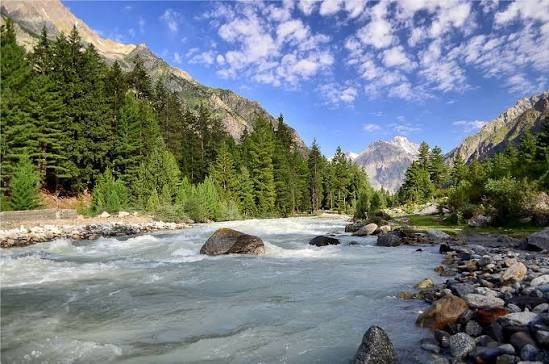
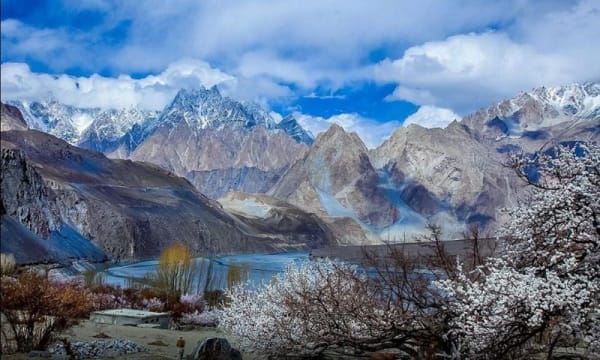
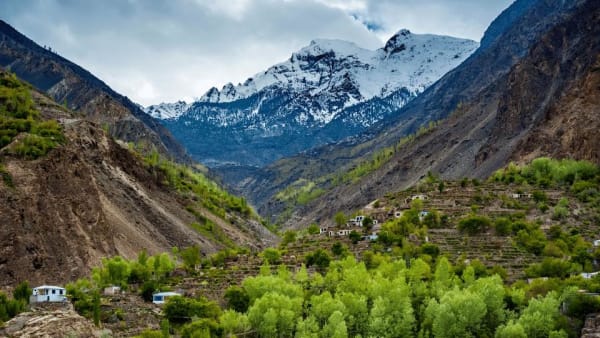
Naltar Valley is a scenic alpine valley in Gilgit District, Gilgit-Baltistan, Pakistan. It lies about 34–45 km northeast of Gilgit city and sits at elevations ranging from roughly 2,800–3,100 meters (with surrounding peaks rising higher). The valley is known for its dense pine and cedar forests, a cluster of vividly colored high-altitude lakes, and Pakistan’s main high-altitude ski resort.
The landscape feels cooler and greener than many other parts of Gilgit-Baltistan. Lower Naltar (Naltar Pain) and upper Naltar (Naltar Bala) form the main settlements. Beyond these, a rough jeep track climbs through forest to the famous lakes. The valley also contains the Naltar Wildlife Sanctuary, home to species such as markhor, ibex, and occasionally snow leopards.
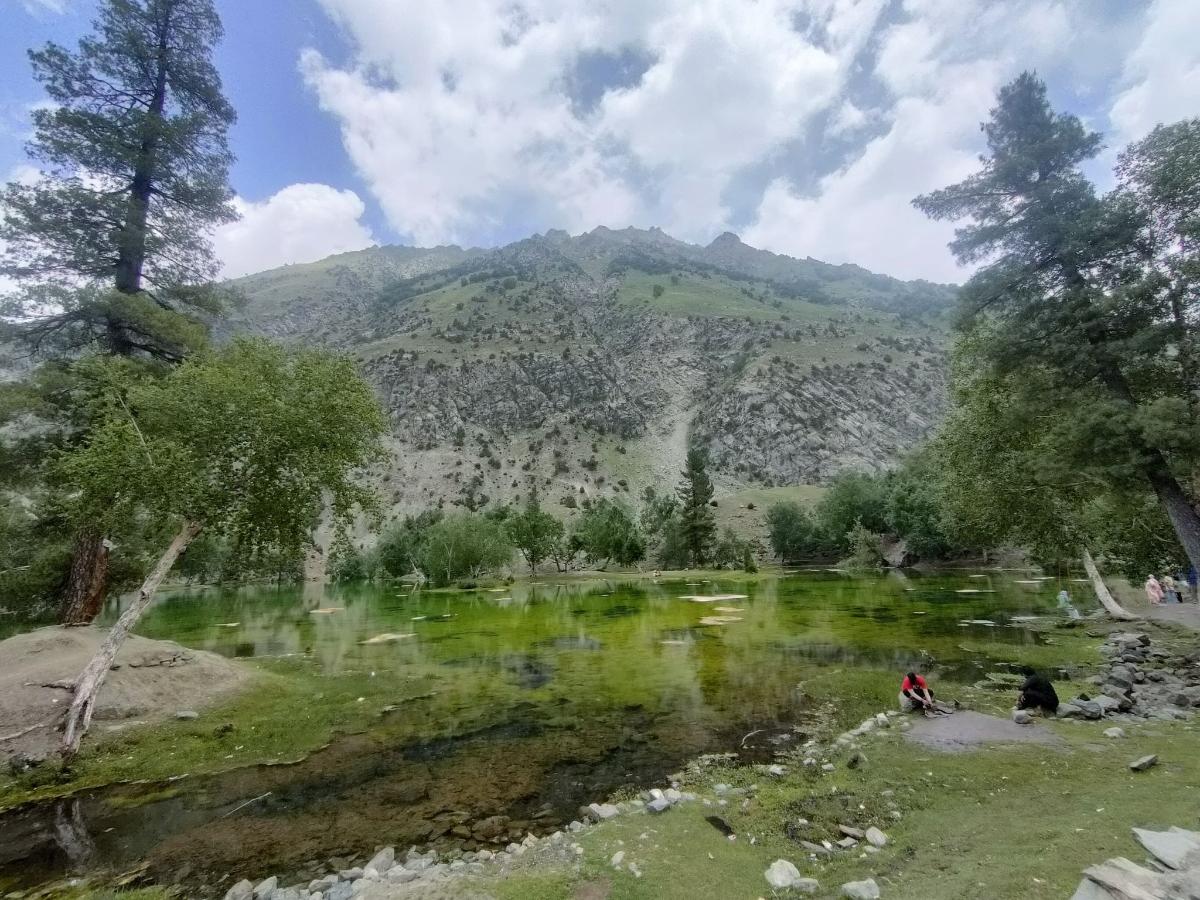
Satrangi Lake (Bashkiri Lake I / Rainbow Lake)
Satrangi Lake is the first and most famous of the Naltar lakes. It sits roughly 12–13 km from Naltar Bala at an elevation of about 3,050–3,150 meters. The name “Satrangi” means “seven-colored” in Urdu, referring to the shifting shades of green, blue, turquoise, yellow, and other tones that appear across its surface.
The colors come mainly from underwater moss, algae, grasses, and aquatic plants growing on the lakebed, combined with the way sunlight hits the shallow water. On bright days the effect is strongest; under cloudy skies the hues become softer. The lake covers around 21,000 square meters and is surrounded by dense pine forest. It is the most accessible of the group and usually the first stop on the jeep track from upper Naltar. A Public Works Department rest house stands near its edge. Most visitors spend time here photographing the changing colors and walking the shoreline.
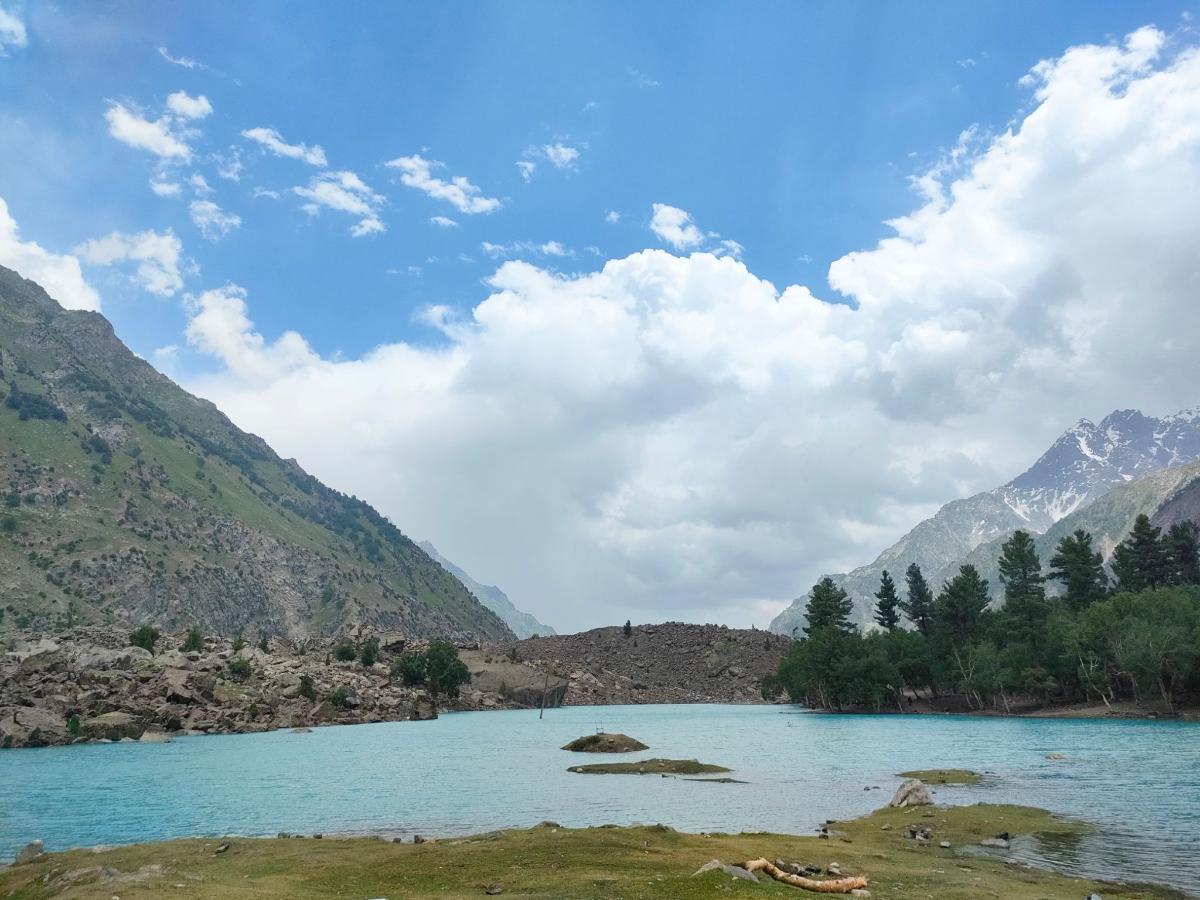
Blue Lake lies about one kilometer beyond Satrangi Lake. It is larger (around 36,000 square meters) and noticeably deeper than Satrangi. Its water is a solid, intense blue or turquoise, without the multi-colored patches caused by heavy algae growth.
The lake is fed by natural springs and glacial melt, and the water is colder and clearer. The surrounding pine forest and mountain backdrop create strong reflections on calm mornings. Because it is slightly farther along the track, it tends to receive fewer visitors than Satrangi and feels quieter. It is still reachable by 4×4 jeep in the summer season.
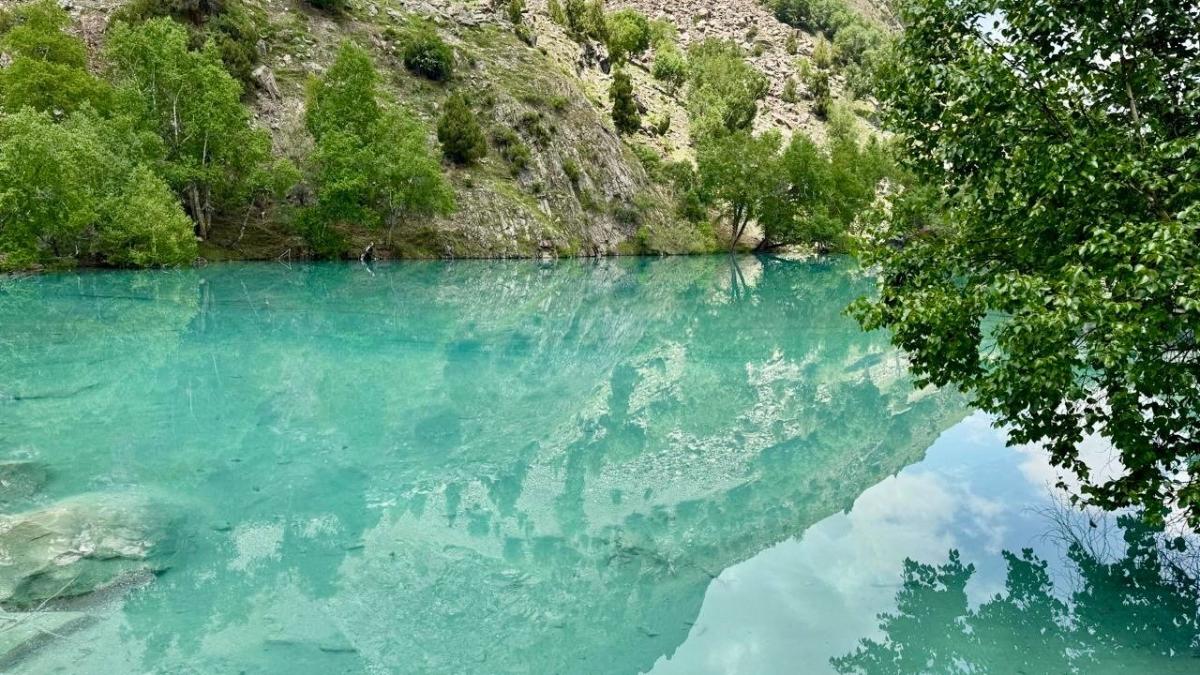
Pari Lake (sometimes spelled Pary) is frequently identified with or located immediately beside Blue Lake. Many local guides and travelers use the names “Pari Lake” and “Blue Lake” interchangeably for the deep-blue water body that follows Satrangi. In some accounts it is described as a separate but very close lake fed by underground springs and glacial melt, with clear, bright blue water.
It sits in a more enclosed setting than Satrangi and is valued for its pure color and peaceful atmosphere. When treated as distinct, it is only a short distance past Blue Lake and remains within the same jeep-accessible zone in good weather. Like the others, it is best visited between June and September when the road is open and the water is ice-free.
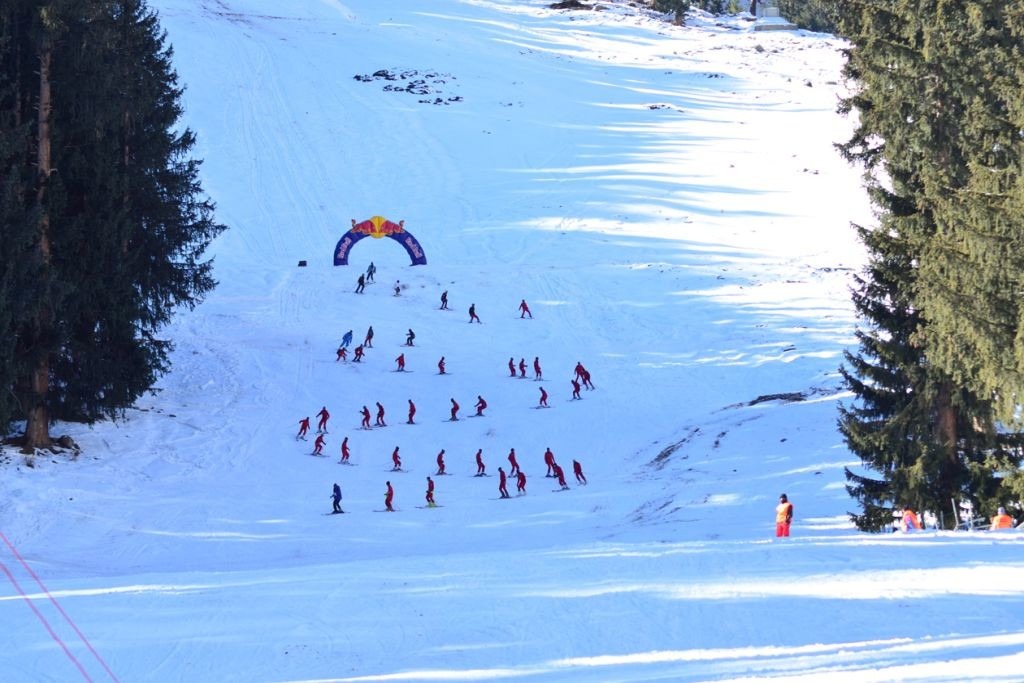
Naltar Ski Resort
Pakistan’s premier high-altitude ski area, managed with involvement from the Pakistan Air Force. It operates in winter (mainly December–February/March) with slopes suitable for beginners and intermediate skiers, a chairlift in some seasons, and occasional national or international events. Snow quality is generally good when conditions allow. Access in deep winter can be limited by road closures.
Forests, meadows, and short walks
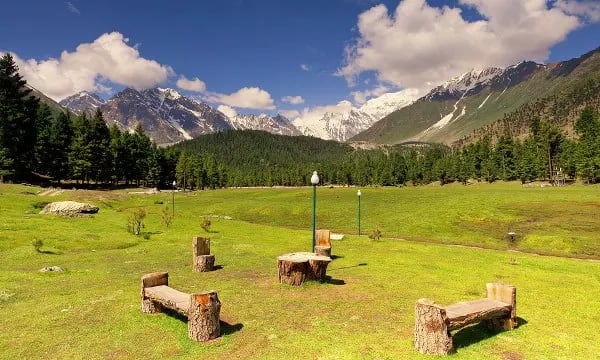
The lower and mid-valley offer pleasant forest walks, picnic spots, and viewpoints. Halima Garden and similar open areas provide quieter places to relax. Longer day hikes and multi-day treks (such as routes toward Naltar Pass) are available for those seeking more adventure.
Almost all visitors go via Gilgit:
From Gilgit city the distance is about 40 km. The first section to Nomal is relatively straightforward; beyond that the road becomes a rough mountain track requiring a high-clearance 4×4 jeep. Travel time is typically 1.5–3 hours depending on conditions and whether you continue all the way to the lakes.
From Islamabad: Fly to Gilgit (about 1 hour, weather permitting) then continue by jeep, or drive the Karakoram Highway (14–18 hours) to Gilgit and transfer.
Private cars can usually reach Naltar Pain or sometimes Naltar Bala in good conditions, but the upper lakes section is jeep-only.
Fuel up in Gilgit, as reliable pumps are scarce farther into the valley. Local jeep hire is the standard way to reach the lakes.
June to September — Ideal for the lakes, forest walks, and general sightseeing. Roads are open, temperatures are comfortable (daytime roughly 15–25°C in the main valley, cooler at the lakes), and colors are strongest.
April–May — Spring greening and melting snow; roads begin opening.
September–October — Clearer skies, autumn colors in the forests, fewer visitors.
December to February — Peak ski season, provided the road remains passable. Heavy snow can close access to the upper valley and lakes.
Winter conditions change quickly; always check local road and weather reports before traveling.
Accommodation consists of simple guesthouses and lodges in Naltar Bala and nearby. Facilities at the lakes themselves are minimal or restricted at times, so carry your own water, snacks, and any needed supplies. Mobile signal is limited or absent in the upper valley. Nights are cool even in summer—bring layers. Hire experienced local drivers for the jeep sections, especially after rain when the track becomes muddy and slippery.
Naltar works well as a day trip or overnight excursion from Gilgit. It offers a different character from the high plateaus of Deosai or the longer valleys farther east: dense forest, compact colorful lakes, and (in winter) accessible skiing, all relatively close to a major town.