Loading details…
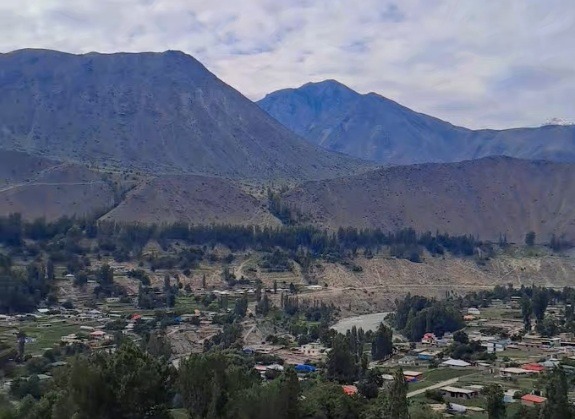
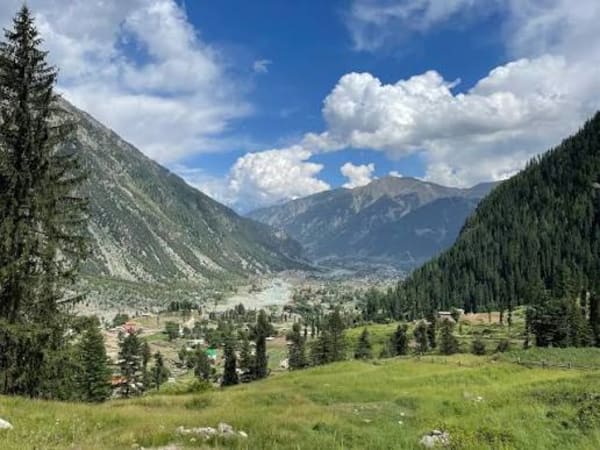
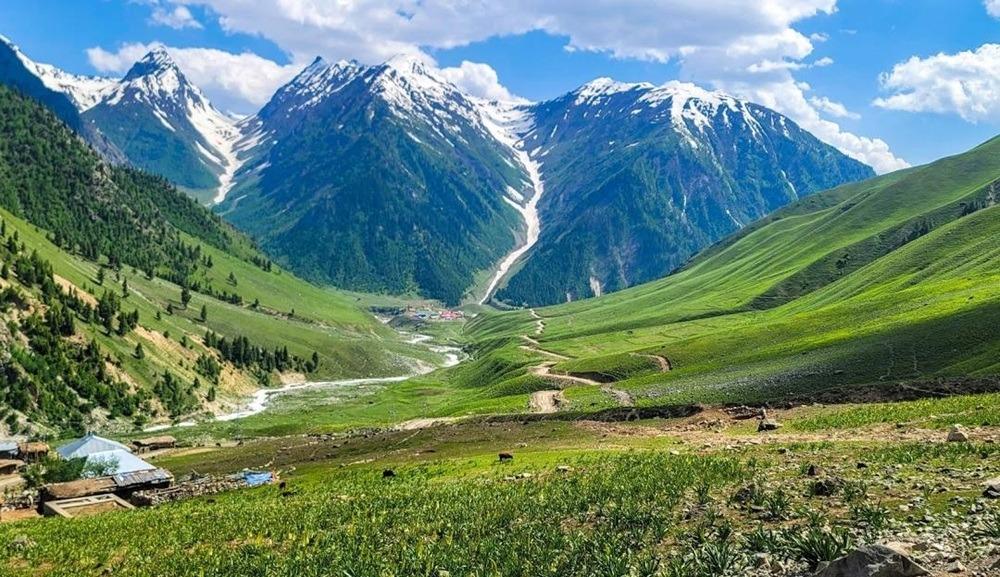
Astore Valley is a long, scenic mountain valley in the Astore District of Gilgit-Baltistan, Pakistan. It stretches roughly 120 km and covers a large area at the eastern foot of Nanga Parbat (8,126 m), the world’s ninth-highest mountain and one of its most formidable. The main town of Astore sits at about 2,600 meters elevation. The valley is known for its dense pine and cedar forests, open alpine meadows, high lakes, traditional villages, and direct access to some of the region’s most dramatic mountain landscapes.
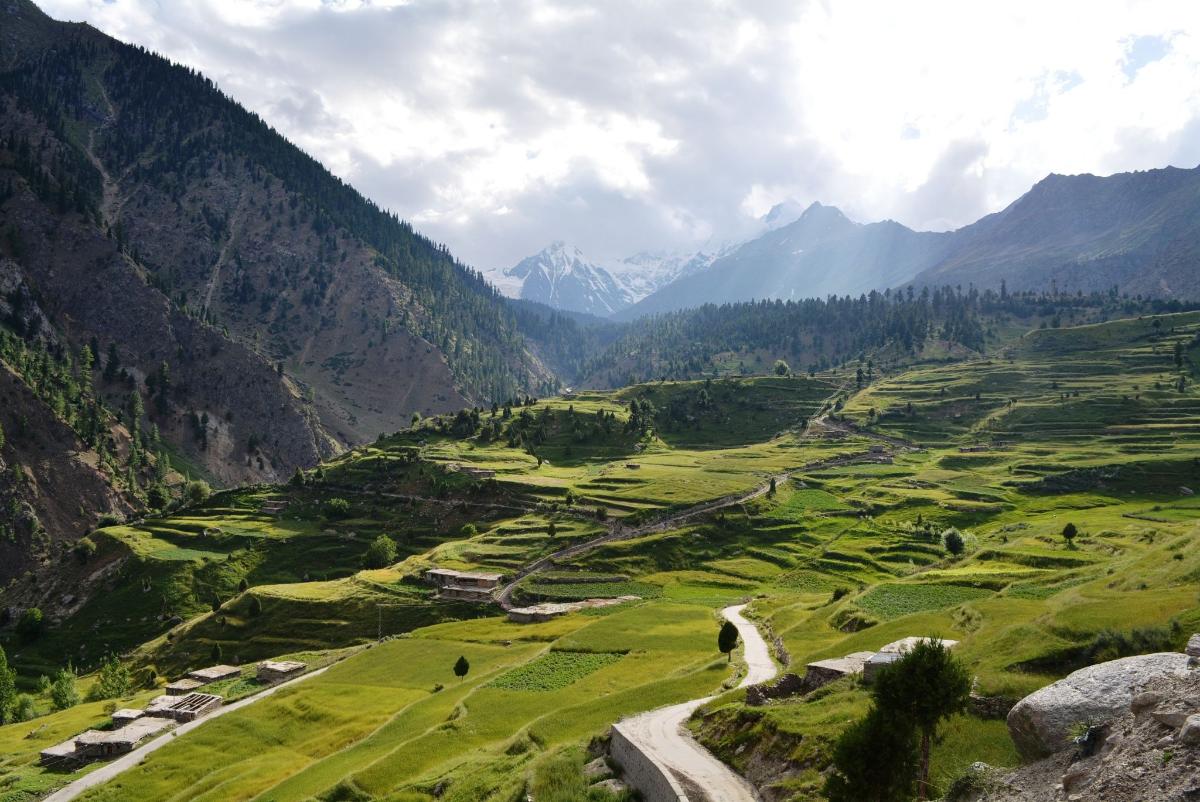
Unlike the busier routes around Hunza or central Skardu, Astore still feels relatively quiet and less developed. It serves as one of the two main gateways to Deosai National Park (via Chilum) and offers close-up views of Nanga Parbat’s massive Rupal Face—the tallest mountain wall on Earth, rising more than 4,500 meters from base to summit.
Rama Meadows and Rama Lake
Rama is the most popular and accessible highlight. A short jeep ride from Astore town climbs through thick pine forest into wide green meadows at around 3,300 meters. From the meadows a further 2–4 hour hike (or shorter walk depending on fitness) leads to Rama Lake, a clear alpine lake at approximately 3,500 meters that often reflects the surrounding peaks. The combination of forest, open pasture, and lake views with Nanga Parbat in the background makes this one of the most photogenic spots in Gilgit-Baltistan. Camping is common here in summer.
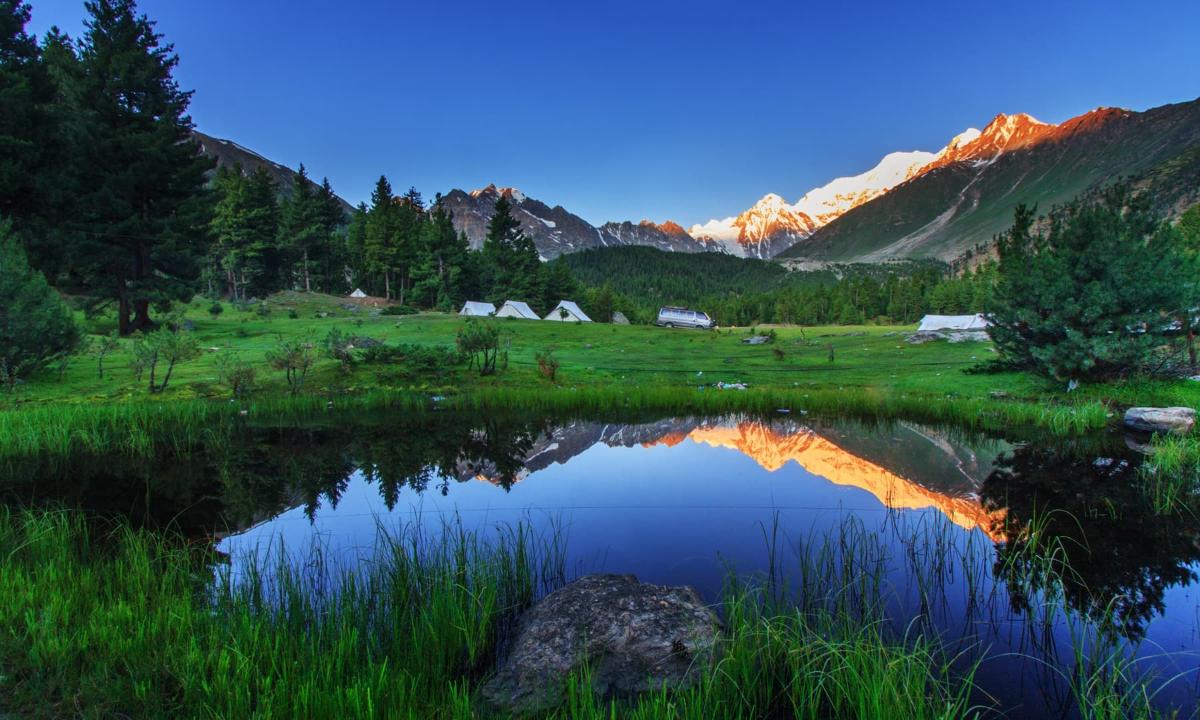
Rupal Valley and the Rupal Face
South of Astore, the quieter Rupal Valley leads toward the southern side of Nanga Parbat. Trekkers and climbers use this approach to reach base camps with extraordinary close views of the Rupal Face. The trail passes through villages, potato fields, and meadows before the landscape becomes more rugged. It is a serious but rewarding multi-day trek for those prepared for higher elevation and longer walking.
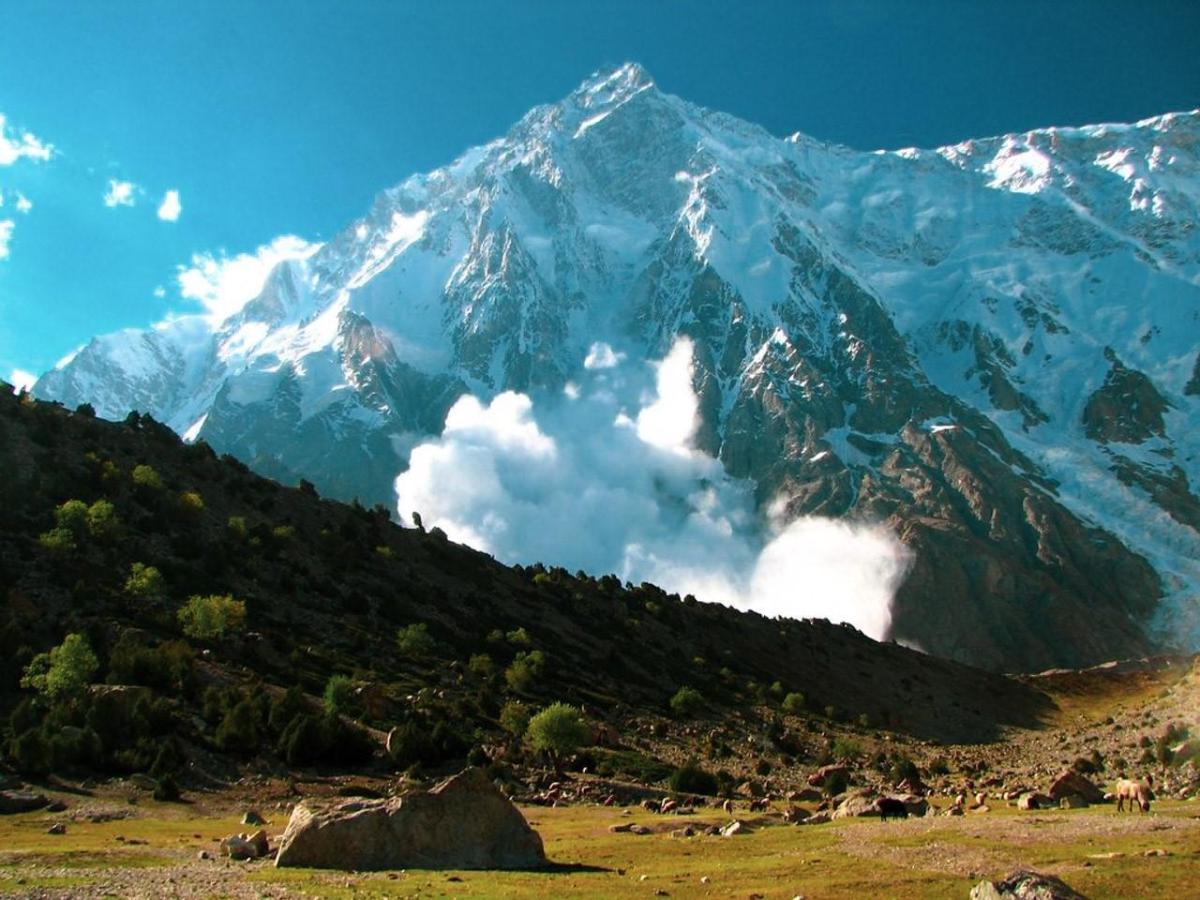
Minimarg and surrounding areas
Further along the valley toward the Line of Control lies Minimarg, a high alpine area with meadows, streams, and lakes (including Domail / Rainbow Lake). Access requires a 4×4 and often special permission or registration at checkpoints because of its sensitive location. The scenery is lush in summer and feels more remote.
Connection to Deosai
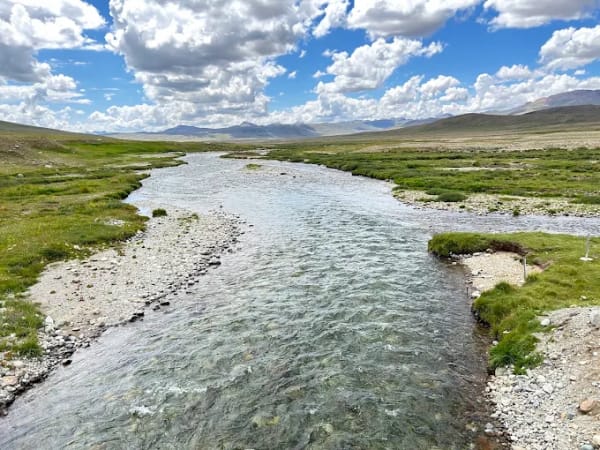
From Astore, the road continues via Chilum to the western side of Deosai National Park and Sheosar Lake. This is one of the two classic routes onto the high plateau (the other comes from Skardu). Crossing Deosai between Astore and Skardu is a popular multi-day adventure in the summer months.
Other points of interest include traditional villages such as Tarishing, side valleys with trout streams, and viewpoints looking toward peaks like Chongra and Laila Peak in the Rupal area.
From Gilgit: The most straightforward route. Drive south on the Karakoram Highway to Jaglot, then turn onto the Astore road. Distance is about 90–120 km and takes 2.5–4 hours depending on conditions.
From Islamabad: Either fly to Gilgit (about 1 hour) and continue by road, or drive the full Karakoram Highway route (14–17 hours). A seasonal alternative via Naran and Babusar Pass is possible from June to mid-October and is shorter in distance but more demanding.
From Skardu: Via Deosai National Park (approximately 150–170 km, 5–8 hours by 4×4 when the plateau is open). This is only feasible in summer.
Most roads beyond Astore town require high-clearance 4×4 vehicles. Public transport exists in the form of shared jeeps and vans from Gilgit, but private hire gives far more flexibility.
June to September is the prime season. Roads are open, meadows are green, lakes are accessible, and temperatures in the main valley are pleasant (roughly 15–28°C daytime). July offers peak greenery and flower displays. September brings clearer skies, autumn colors, and fewer visitors.
Winter (November–April) brings heavy snow; many upper roads and the Deosai route close, though the main Astore town remains inhabited.
Accommodation is basic—guesthouses and small hotels in Astore town, with camping preferred at Rama and higher areas. Facilities thin out quickly once you leave the main town. Carry warm layers even in summer (nights are cold), sufficient water, snacks, and offline maps. Mobile signal is limited or absent in many places. Respect local customs; the main language is Shina, though Urdu is widely understood. Some areas near Minimarg require registration or special permission for non-residents.
Astore Valley rewards travelers who want space, forest walks, high meadows, and serious mountain scenery without the denser tourist traffic found on more famous routes. Two to five days is a realistic timeframe for the core highlights (Rama plus a day toward Rupal or the start of the Deosai approach), while longer stays allow deeper exploration of the side valleys and multi-day treks.