Loading details…
Hunza Valley
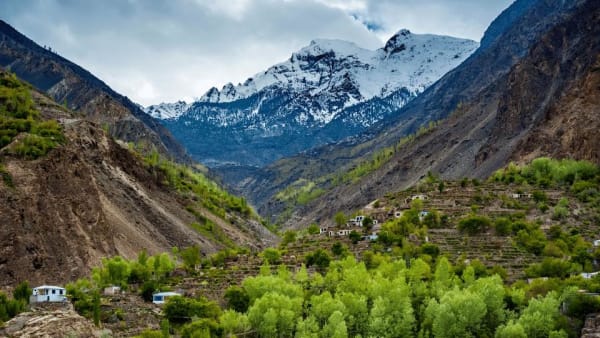
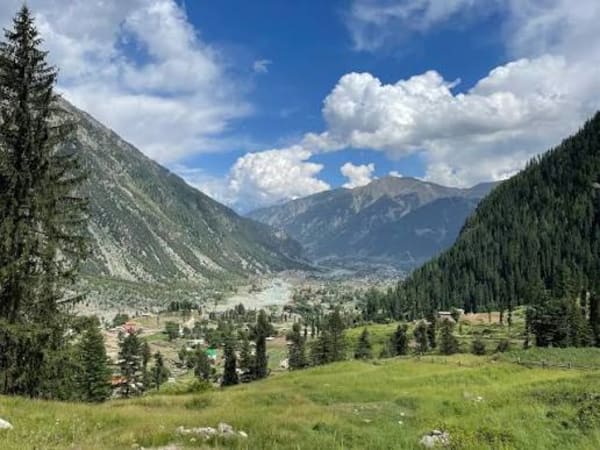
Hunza Valley is one of the most celebrated destinations in Gilgit-Baltistan, Pakistan. Nestled in the Karakoram mountains along the Hunza River, it stretches roughly from lower areas near Nagar up through Central Hunza to Upper Hunza (Gojal) toward the China border. The valley is known for its dramatic peaks (many over 7,000 meters), turquoise lakes, ancient forts, traditional villages, apricot orchards, and the famous longevity and hospitality of its people. Most visitors base themselves in Karimabad and explore outward.
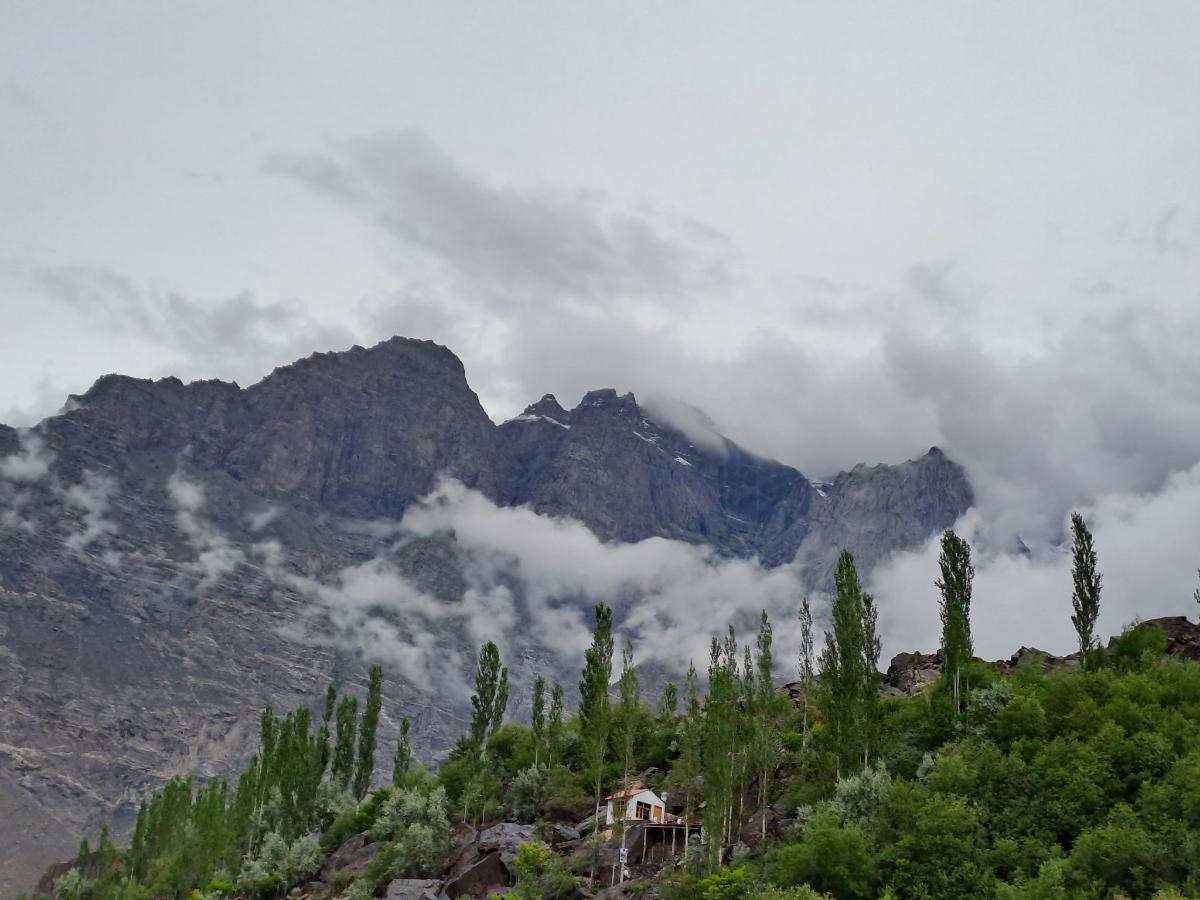
The valley is commonly divided into Lower Hunza, Central Hunza, and Upper Hunza (Gojal). The best overall season is April–October, with spring blossoms, summer greenery, and autumn colors each offering a different character. Winters are cold and some higher roads close.
Karimabad (formerly Baltit) is the main tourist hub, perched on a hillside at around 2,400–2,500 meters with outstanding views of Rakaposhi and Ultar Sar.
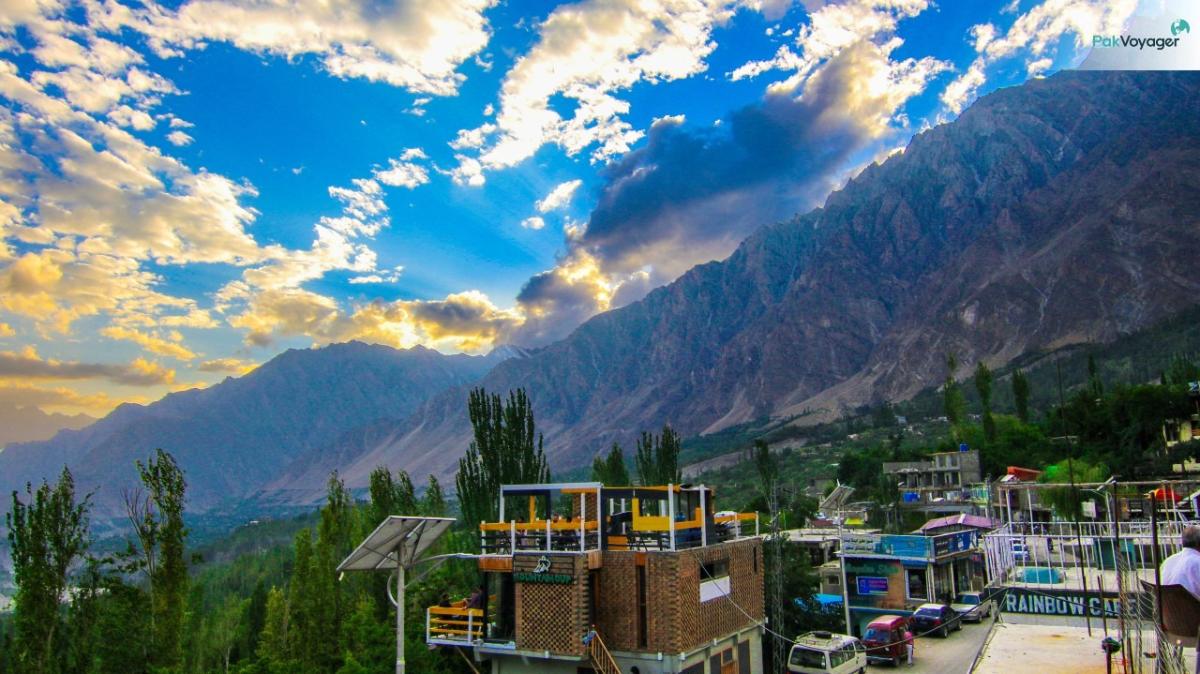
It has the widest range of hotels, guesthouses, restaurants, and shops selling dried apricots, local handicrafts, and woollen items. Narrow lanes, traditional stone-and-wood houses, and easy access to the major forts make it the ideal base for 2–4 nights.
This iconic 700–800-year-old fort sits high above Karimabad and was the residence of the Mirs (rulers) of Hunza for centuries.
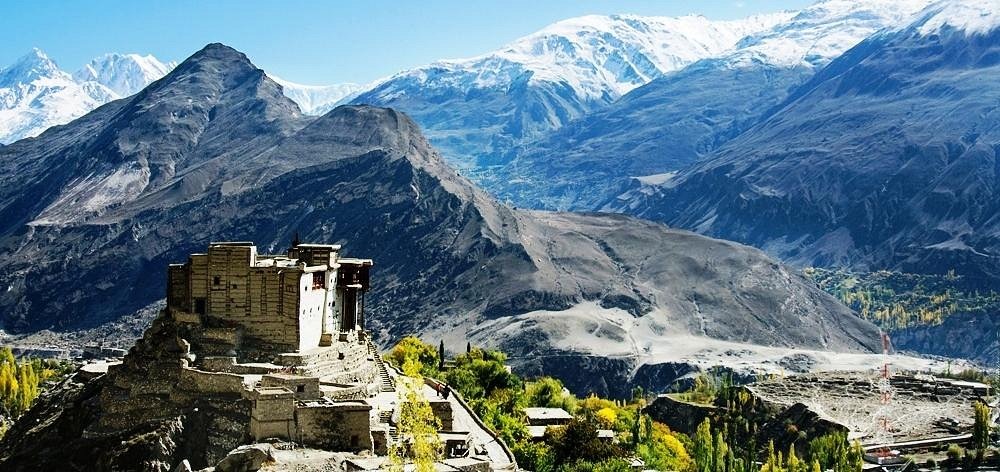
Restored by the Aga Khan Trust for Culture, it features traditional architecture with Tibetan influences, defensive towers, rooms that once housed the royal family, and panoramic views over the valley. Guided tours explain the history and daily life of the former rulers. It is one of the most visited and photographed sites in Hunza.
Located a short distance from Karimabad in Altit village, Altit Fort is older than Baltit—estimated at over 900–1,100 years. It sits dramatically on a cliff above the Hunza River and includes the ancient Shikari Tower.
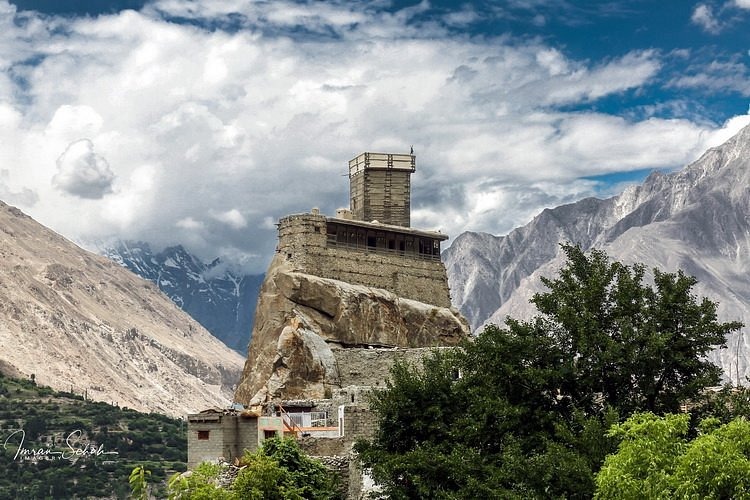
The surrounding village has traditional houses, narrow stone lanes, and the Royal Garden. Many travellers find Altit quieter and more atmospheric than Baltit. A walk through the village adds cultural depth to the visit.
A high viewpoint above Karimabad (Duikar area) offers one of the best 360-degree panoramas of Hunza Valley, including Rakaposhi, Ultar, and surrounding peaks.
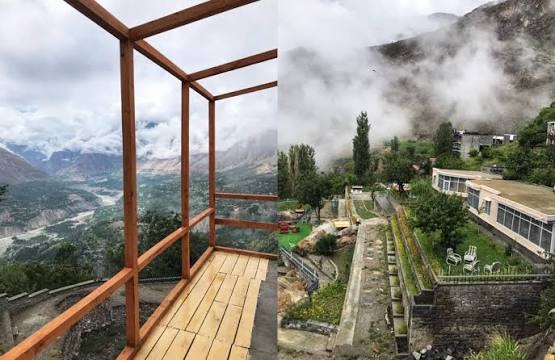
It is especially popular for sunrise and sunset. Access is by jeep or a moderate hike. Hotels and cafés near the viewpoint allow visitors to stay for the changing light.
Formed in January 2010 after a massive landslide blocked the Hunza River and submerged villages, Attabad Lake is a striking turquoise body of water about 20–25 km from Karimabad.
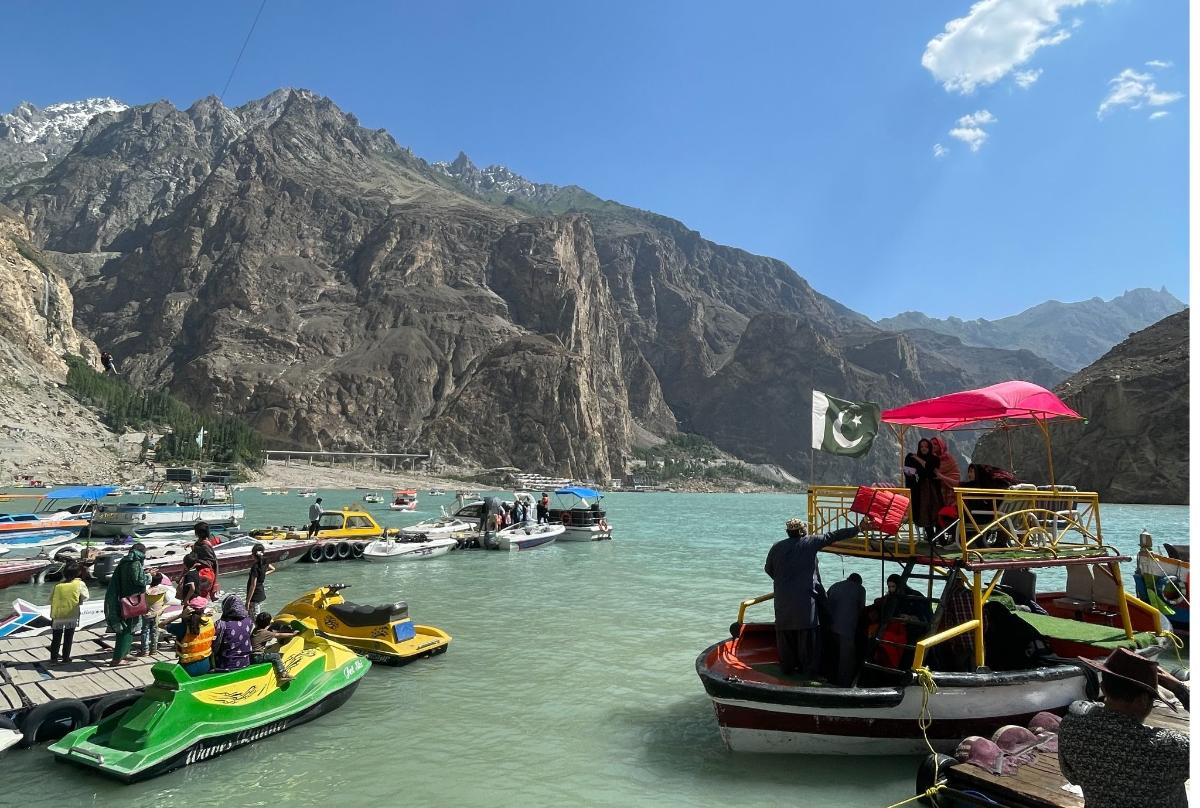
It stretches for many kilometres and is framed by steep rock walls. Boat rides and (seasonally) jet-ski options are available. The submerged remains of the old Karakoram Highway can sometimes be seen beneath the surface. Morning light is best for photography, and winds often pick up later in the day.
Passu village in Upper Hunza is famous for the Passu Cones (also called Passu Cathedral or Tupopdan)—a dramatic row of sharp, jagged peaks that rise steeply above the valley.
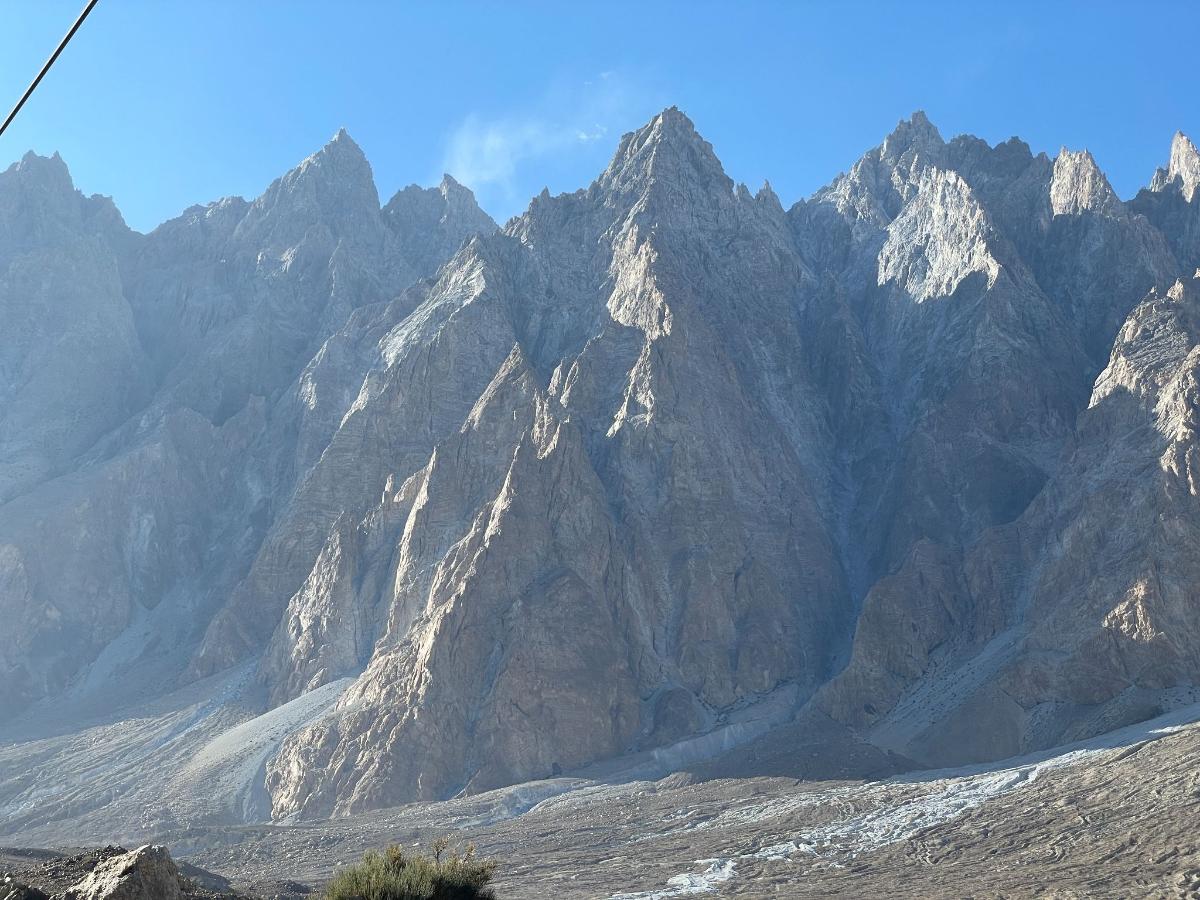
These are among the most photographed formations in Pakistan. Nearby, the Passu Glacier is accessible via short walks or viewpoints. The village itself is small and scenic, with good options for overnight stays facing the cones.
One of the most famous (and formerly most precarious-looking) pedestrian bridges in the region, spanning the Hunza River near Hussaini village.
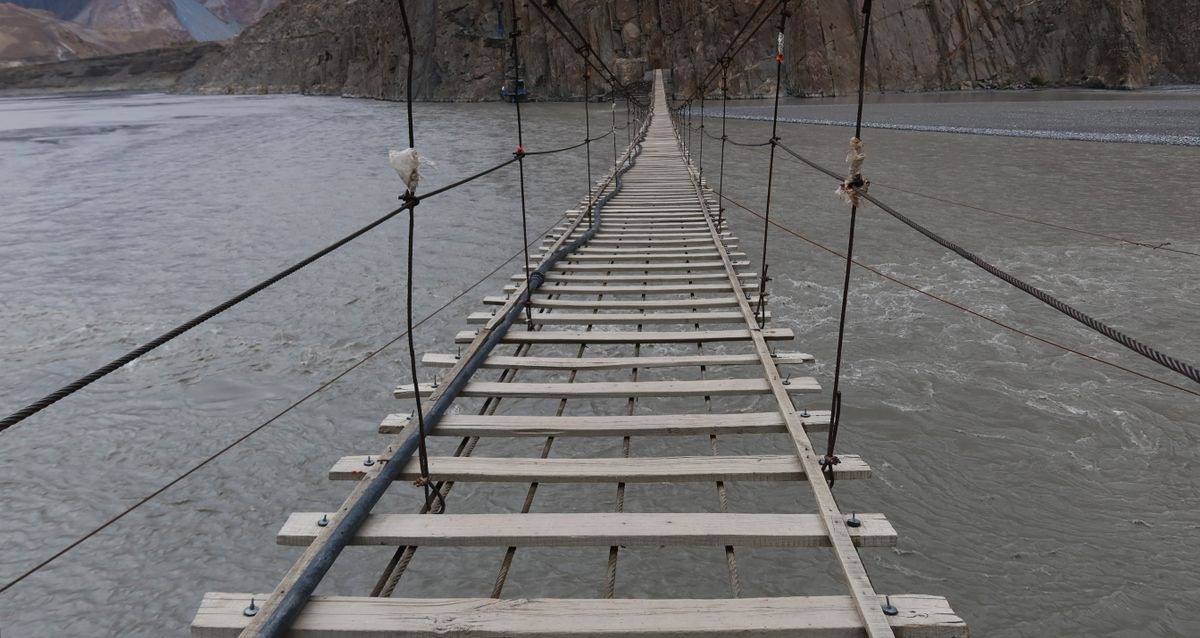
Crossing it offers thrilling views of the river and surrounding peaks. Safety measures have improved in recent years, and life jackets or guides may be available. It pairs naturally with visits to Passu and Borith Lake.
A natural high-altitude lake (around 2,600 meters) situated between Ghulkin/Hussaini and Passu. It is quieter than Attabad and offers peaceful surroundings with mountain backdrops.
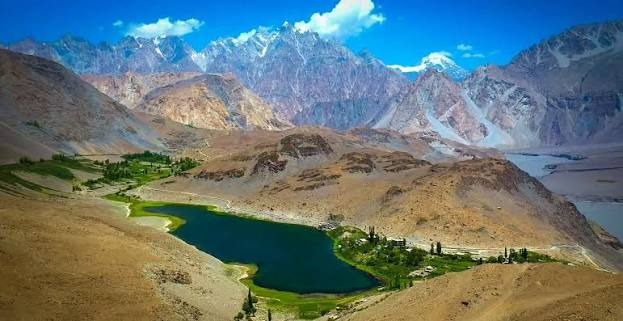
In summer it can be used for swimming by some visitors, and it serves as a starting point for short treks toward nearby glaciers. The approach involves a short off-road track.
These neighbouring Upper Hunza villages offer a more relaxed cultural experience. Gulmit features traditional architecture, mountain views, and the Korgah women’s carpet-weaving centre.
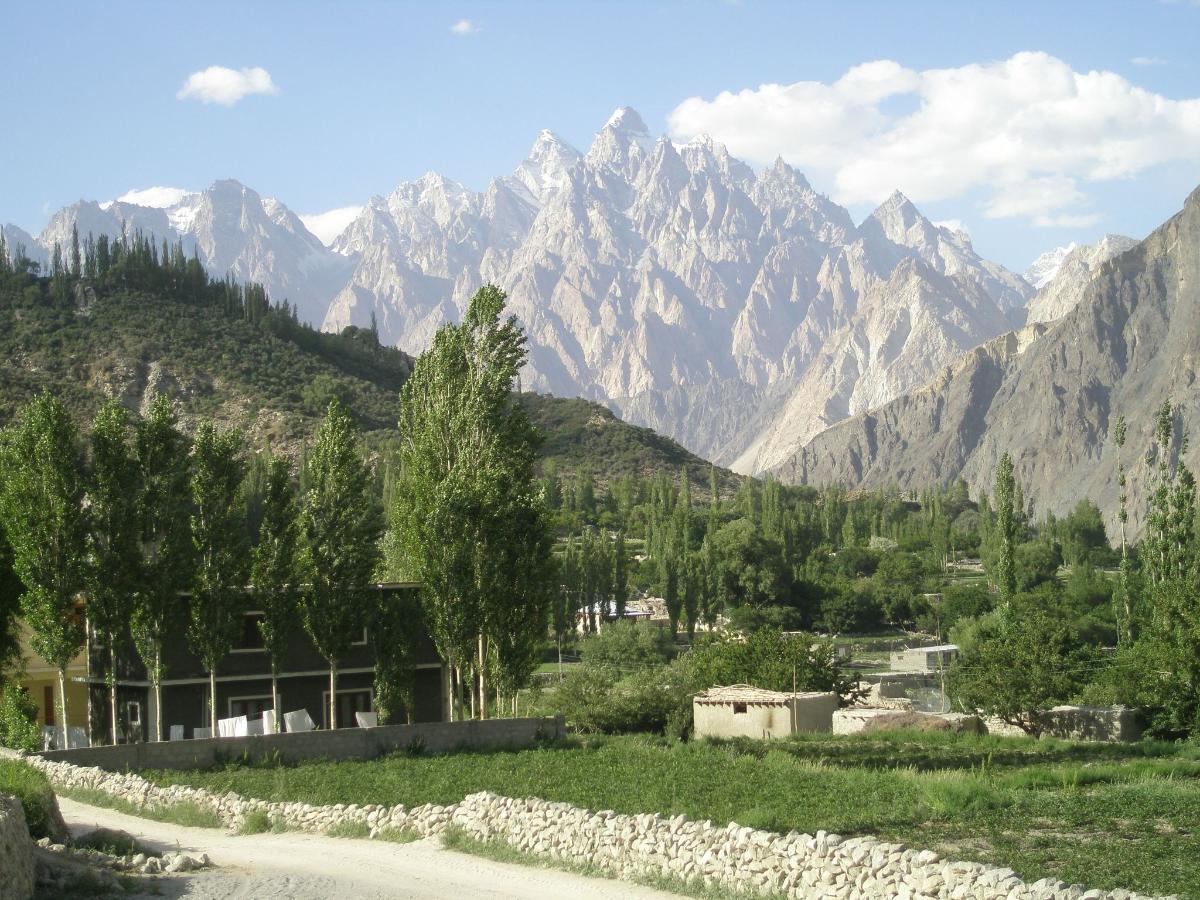
Ondra Poygah (an old fort/viewpoint) provides sweeping valley views after a climb up stone steps. Ghulkin is quieter and scenic. Both make good bases or stops when exploring Gojal.
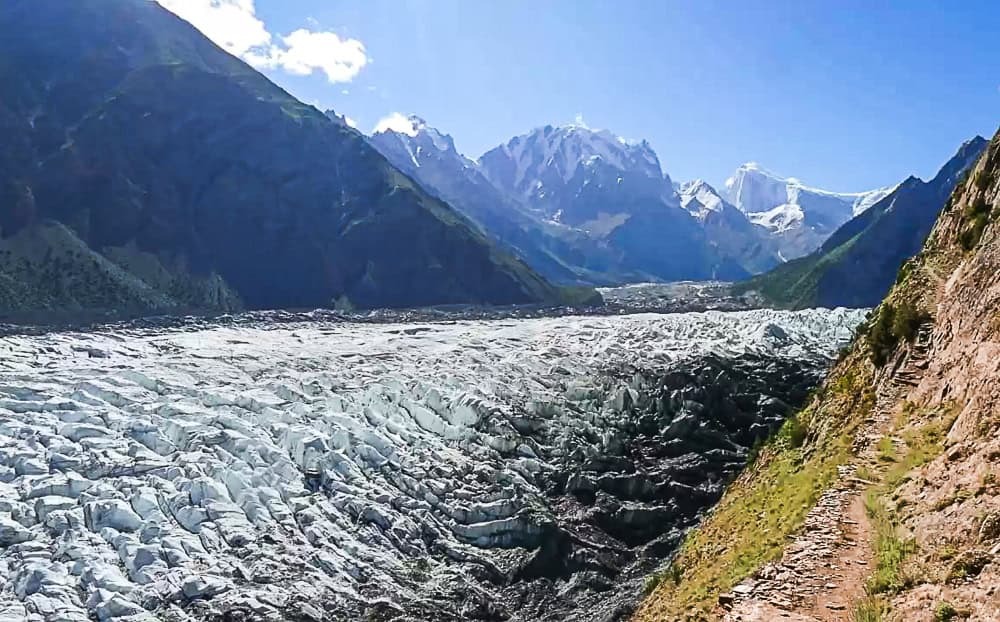
Located in the Nagar area (often visited as a day trip from Karimabad), Hopper Valley provides access to several glaciers, including views of the Hopper Glacier and others in the system. It is a gateway for more serious treks and offers a different perspective on the surrounding ice and peaks.
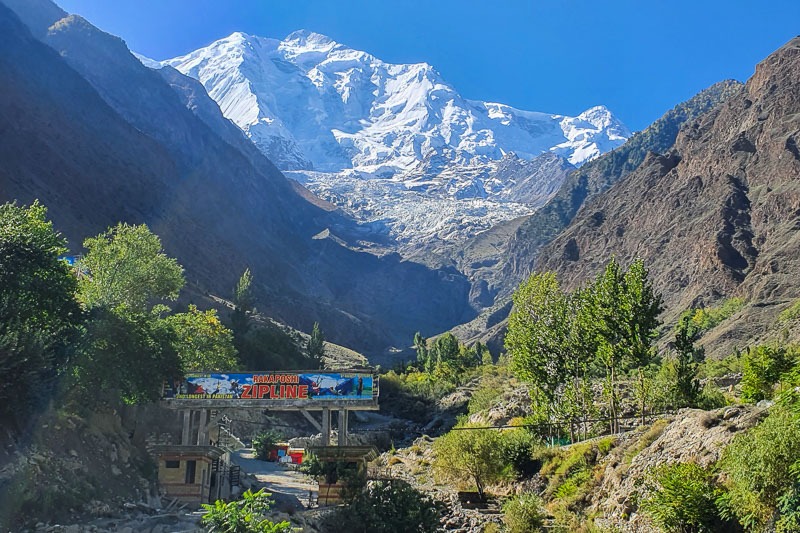
Located in the lower/Nagar section (near Ghulmet or along the Karakoram Highway), this roadside viewpoint gives one of the most impressive close-up views of Rakaposhi (7,788 m), famous for its enormous vertical rise from the valley floor. It is an easy stop on the way into or out of Hunza.
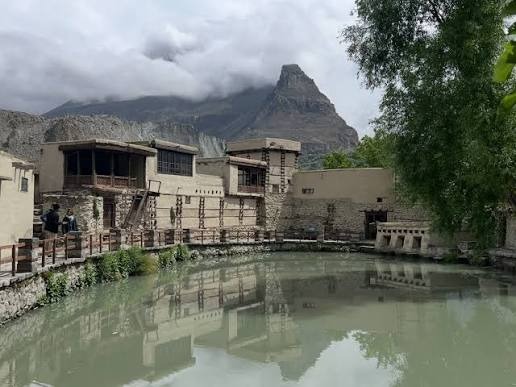
One of the oldest continuously inhabited settlements in Hunza, Ganish preserves traditional architecture, wooden watchtowers, and a historic mosque/khanqah. It offers a quieter cultural experience close to the main road and Karimabad area.
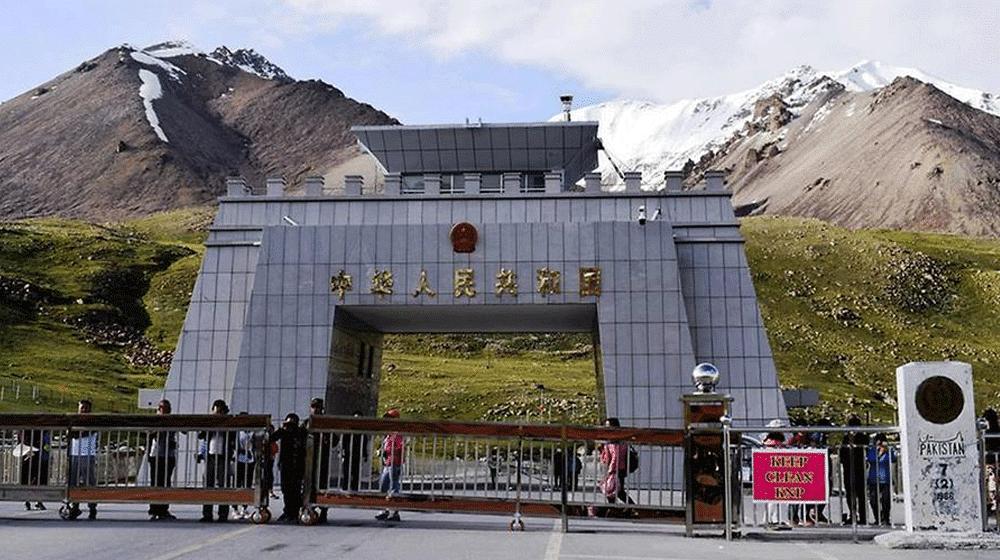
At 4,693 meters, Khunjerab Pass is the highest paved international border crossing in the world, marking the Pakistan–China boundary. The drive from Karimabad or Passu passes through Khunjerab National Park, home to wildlife such as ibex, marmots, and (rarely) snow leopards or Marco Polo sheep. The pass is typically open from late spring to autumn. The high altitude requires acclimatization, warm clothing, and awareness of altitude effects. Pakistani visitors can reach the pass viewpoint; crossing into China requires appropriate visas and formalities.
Additional experiences include short treks to Ultar meadows or base-camp areas above Karimabad, visits to apricot orchards in season, and exploration of traditional water channels and village life.
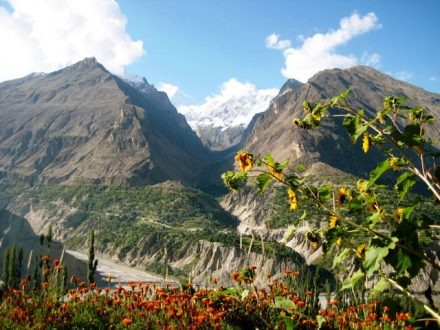
More remote options such as Shimshal Valley or Chapursan exist for longer adventures but require extra time and logistics.
Practical Overview
Most travellers fly to Gilgit and drive 2–3 hours to Karimabad, or take the longer Karakoram Highway route from Islamabad (12–16+ hours). A 4–6 day stay covers the main highlights comfortably (Karimabad forts and Eagle’s Nest, Attabad, Passu area, and optionally Khunjerab). Local jeeps or private transport are useful for upper-valley day trips. Facilities are best in Karimabad and improve gradually in Upper Hunza; higher and more remote spots have simpler services.
Hunza combines accessible cultural heritage (the forts and villages) with some of the most striking mountain scenery in Pakistan. Its mix of history, dramatic landscapes, and welcoming communities makes it a cornerstone of any northern Pakistan itinerary.
If you would like me to expand on any specific area (for example more detail on treks, Hopper, Shimshal, or practical logistics), or adjust the length or focus, just let me know the area names or points you want prioritised.